
Naturalization Lawyer IN Portland, OR
As an immigrant, you’ve worked hard to assimilate into your community, learning new customs and meeting new people, perhaps without any of your loved ones nearby. The next step is becoming a U.S. citizen, and a naturalization lawyer can help you with the process.
Obtaining U.S. citizenship is a life-changing milestone, providing you with rights like the ability to vote and making it easier for you to bring your family to the United States. However, the naturalization process can feel overwhelming without the right guidance. As your experienced naturalization attorney, Ginsburg & Perez will guide you through every step, from determining your eligibility to preparing for your citizenship interview and test. With professional legal support, you can avoid costly mistakes and handle any complications that may arise in the process.
At Ginsburg & Perez, we’re dedicated to helping immigrants build their future in the United States. Whether you’re applying for naturalization for the first time or facing challenges with your application, we’ll ensure your case is handled with care.
Naturalization vs Citizenship
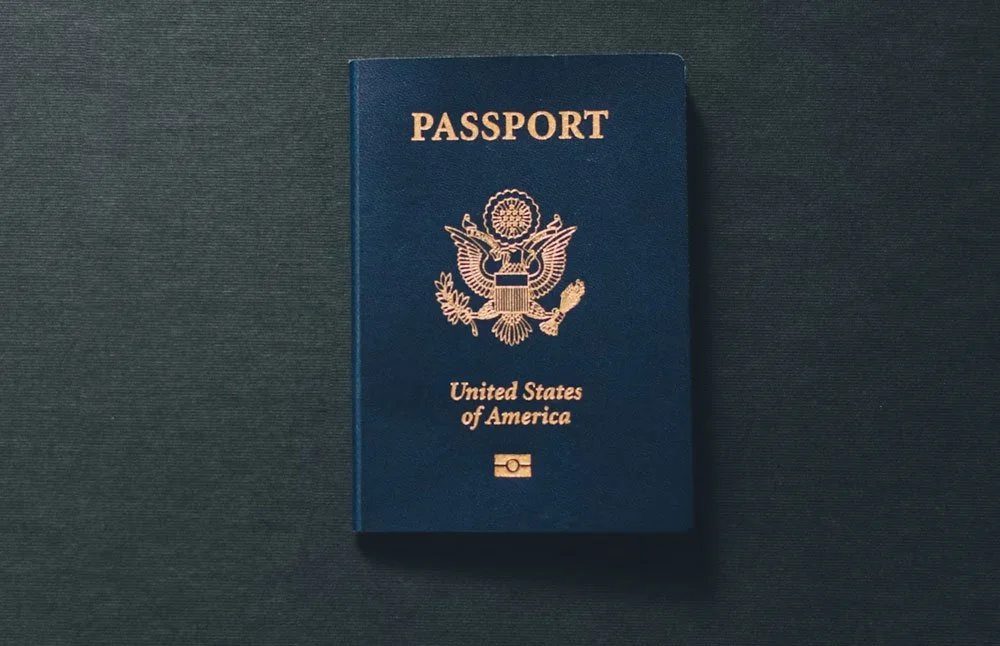
While both naturalization and citizenship are closely related, these terms describe two different aspects of the same concept. Citizenship is the legal status of being a recognized member of the United States. U.S. citizens have full rights under the Constitution, including the right to vote, obtain a U.S. passport, and live and work in the United States permanently.
Naturalization is the process of becoming a citizen for those born outside the country. It’s how immigrants over the age of 18 gain citizenship after meeting specific requirements like living in the U.S. as a lawful permanent resident for a set period, demonstrating good moral character, and passing the citizenship test. Once you’ve completed the naturalization process successfully, you’ll be granted citizenship.
Requirements for Naturalization
In order to become a U.S. citizen through naturalization, you must meet several requirements set by the Immigration and Nationality Act. A naturalization lawyer can help you determine your eligibility and handle any issues that may complicate it.
To be eligible, you must meet the following requirements:
You must be at least 18 years old at the time you file your naturalization application (Form N-400).
You must have a valid green card and have lived in the U.S. as a lawful permanent resident for at least 5 years, or 3 years if you’re married to a U.S. citizen.
You must have lived continuously in the U.S. during the required period before applying. Long trips abroad can disrupt this requirement.
You must have been physically present in the U.S. for at least half of the required residency period.
You must show good moral character, meaning no serious criminal record or dishonest behavior during the qualifying period.
You must be able to read, write, and speak basic English, although some exemptions apply based on age and length of residency.
You must pass a test to demonstrate your understanding of the nation’s fundamental history and principles of government.
You must take the Oath of Allegiance, promising loyalty to the United States and its laws.
The Naturalization Process
Becoming a U.S. citizen through naturalization involves a number of important steps. At every stage, you must meet all legal requirements and be fully prepared to participate in civic life as an American citizen. The process can be complex, but a naturalization attorney can ease the burden, giving you peace of mind at each step.
Here’s an overview of what the process entails:
Before applying for naturalization, you must make sure you meet all the eligibility requirements, including age, green card status, continuous residence, and good moral character. If you have any questions, a naturalization lawyer can help you determine your eligibility.
Once you’re sure that you're eligible, you’ll need to fill out an Application for Naturalization (Form N-400) with USCIS. You’ll need to provide supporting documents, photographs, and the required filing fee.
After submitting your application, USCIS will schedule a biometrics appointment where your fingerprints, photo, and signature will be collected for background checks.
Next, you’ll attend an interview with a USCIS officer. During the interview, the office will ask you questions about your application. At the interview, you will also take two tests: an English test that covers reading, writing, and speaking and a civics test covering U.S. history and government.
With the interview and testing complete, USCIS will mail you a written decision, which may include:
Granted: Your application is approved.
Continued: More information or another interview is needed.
Denied: You can appeal or reapply later.
Finally, after your application is approved, you’ll attend a naturalization ceremony to take the Oath of Allegiance. Once you’ve taken the oath, you officially become a U.S. citizen and can enjoy all the rights and responsibilities of citizenship.

The Naturalization Test
As part of the naturalization process, you’ll have to pass a naturalization test to show that you can speak basic English and that you understand the fundamentals of the U.S. government. The test is meant to prove that you are prepared to fully participate in American civic life. While the idea of the naturalization test can be daunting, taking the time to prepare should give you confidence going into the exam.
The test includes:
An English test to measure your ability to read, write, and speak in basic English. A USCIS officer will ask you questions about your Form N-400 during your interview to assess your speaking ability. You’ll also need to correctly read one out of three sentences aloud in English and correctly write one out of three sentences in English.
The civics portion tests your knowledge of the U.S. government, history, and important symbols. You’ll be asked up to 20 questions from a list of 128 possible questions. You must answer 12 out of 20 correctly to pass. The test covers topics like the U.S. Constitution, branches of government, American holidays, and significant historical figures.
Although the test is required for most applications, some people may qualify for exemptions or accommodations. For example, older applicants who have lived in the U.S. for many years as legal permanent residents may be allowed to take the civics test in their native language. If you have a disability and need accommodations such as a sign language interpreter or extra time, you should ask about this ahead of time.
Passing the naturalization test is one of the final steps in becoming a U.S. citizen. With preparation and support, most applications are able to succeed and move forward to take the Oath of Allegiance.
How a Naturalization Lawyer Can Help
As your naturalization lawyer, Ginsburg & Perez can help you through the legal process of becoming a U.S. citizen. Our main role is to guide on every step to make sure your paperwork and interviews are done correctly. The process can be complicated, with laws changing regularly. Having someone who understands the intricacies of immigration and naturalization law is crucial for your success. Here are some of the main ways we can help you with the naturalization process:
Determine eligibility: Before you apply for naturalization, you should be sure that you fulfill all the eligibility requirements. We will review your immigration history, residency status, and background to confirm that you meet all the requirements. If you have a criminal history or prior immigration issues, you’ll need to get those resolved before you have a shot at naturalization. As your naturalization attorney, we’ll help you address issues that can lead to deportation or denial so you can have a shot at citizenship.
Prepare and file forms: We’ll help you accurately complete and submit the Application for Naturalization, making sure you have all the required supporting documents like tax records, travel history, marriage certificates, and more. Mistakes can lead to delays and denials, which is why having a critical eye to review your Form N-400 is essential.
Prepare you for the interview: The USCIS interview is one of the most important parts of the naturalization process. We will help you study for the tests and practice for the interview, preparing you to answer questions that come up frequently. We can also represent you at the naturalization interview if needed to help you explain potential red flags to the immigration officer.
Handle delays: If your application is delayed, denied, or questioned, we can appeal the decision, request a hearing, or file a lawsuit if necessary. Having an experienced naturalization lawyer on your side can make all the difference in a successful appeal.
Provide peace of mind: One of the most important ways we can help you is by providing peace of mind during the naturalization process. We understand that it can be stressful, but we are there to help you avoid mistakes that might cause serious delays or even risk your legal citizenship. We’re there to ensure your path to citizenship is as smooth and stress-free as possible.
Naturalization Lawyer in Portland and Beyond
If you’re ready to apply for naturalization, you need an experienced naturalization attorney to stand by your side. At Ginsburg & Perez, we have the expertise to handle the complexities of U.S. immigration law. More importantly, we have respect and appreciation for the immigrant community in the U.S. We’re based in Portland, Oregon, but we serve immigrants throughout the United States. Whether you’re looking for legal aid with naturalization, immigrant visas, family reunification, or permanent resident status, Danielle Perez is the lawyer you can trust. Contact us today for a consultation!
*Nothing herein constitutes legal advice. You should obtain independent legal counsel regarding your specific factual situation.