
By Danielle Perez, Immigration Attorney
Key Takeaways
A Certificate of Naturalization is an official document proving U.S. citizenship for individuals who complete the naturalization process.
It is issued after meeting requirements like residency, tests, and the Oath of Allegiance, marking the final step in becoming a U.S. citizen.
The certificate includes a unique identification number and personal details, which are often needed for passports and government processes.
The guide also explains different types of citizenship and how to replace a lost certificate, helping readers understand and manage their documentation.
Becoming a U.S. citizen is a life-changing milestone. For millions of immigrants, the final step in that journey is receiving a Certificate of Naturalization. But what is a Certificate of Naturalization, and why is it so important?
This guide will explain what a certificate of naturalization is, the certificate of naturalization number, the difference between citizenship types (at birth, derivative, and naturalization), what a Certificate of Citizenship is, and how to replace a lost certificate.
What Is a Certificate of Naturalization?
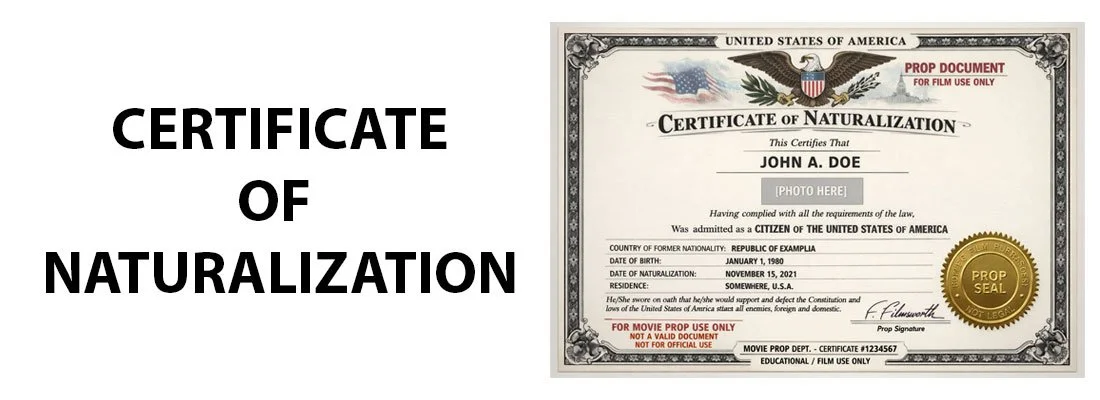
A Certificate of Naturalization is an official document issued by the U.S. Citizenship and Immigration Services (USCIS) to individuals who become U.S. citizens through the naturalization process.
Naturalization is the legal process by which a lawful permanent resident (green card holder) becomes a U.S. citizen after meeting specific requirements, such as:
18 years or older
Being a lawful permanent resident for a required period (usually 5 years, or 3 years if married to a U.S. citizen)
Living in the U.S. for a required period
Demonstrating good moral character
Passing an English and civics test
Taking an Oath of Allegiance
Once approved, the new citizen receives a Certificate of Naturalization as proof of U.S. citizenship.
This document includes:
Your full legal name
Date of birth
Country of former nationality
Date of Naturalization
Certificate number
USCIS registration number (A-Number)
It serves as official proof that you are a U.S. citizen.
What is a Certificate of Naturalization Number?
The certificate of naturalization number (also called the “certificate number”) is a unique identification number printed on your certificate.
It is typically:
Located in the upper right-hand corner of the certificate
6-8 digits long (sometimes preceded by a letter)
This number is important because it may be required when:
Applying for a U.S. passport
Filing immigration paperwork for family members
Completing government forms
Requesting a replacement certificate
It is different from your Alien Registration Number (A-Number), although both may appear on the document.
Types of U.S. Citizenship: At Birth, Derivative, and Naturalization
Not all U.S. citizens become citizens in the same way. There are three primary paths:
1. Citizenship at Birth
You are automatically a U.S. citizen at birth if:
You were born in the United States (under the 14th Amendment), or
You were born abroad to U.S. citizen parent(s) who meet certain legal requirements
These individuals do not receive a Certificate of Naturalization. Instead, their proof of citizenship may include a U.S. birth certificate or a Consular report of Birth Abroad.
2. Derivative Citizenship
Derivative citizenship applies to children who automatically become U.S. citizens when:
At least one parent becomes a naturalized U.S. citizen
The child is under 18
The child is a lawful permanent resident
The child resides in the U.S. in the legal and physical custody of the citizen parent
Children who derive citizenship do not receive a Certificate of Naturalization. Instead, they may apply for a Certificate of Citizenship as proof.
3. Citizenship Through Naturalization
This is the process adults typically go through. After meeting eligibility requirements and completing the application process, they attend a naturalization ceremony and receive a Certificate of Naturalization.
What Is a Certificate of Citizenship?
A Certificate of Citizenship is another official document issued by the U.S. Citizenship and Immigration Services. It proves U.S. citizenship for individuals who:
Acquired citizenship at birth abroad through U.S. citizen parents, or
Derived citizenship through a parent’s naturalization
Unlike a Certificate of Naturalization, it is not issued after a naturalization ceremony. Instead, individuals must apply for it using Form N-600.
Certificate of Citizenship vs. Certificate of Naturalization
Although both documents prove U.S. citizenship, they are issued under different circumstances:
Certificate of Naturalization
Issued to adults who complete the naturalization process
Granted after taking the Oath of Allegiance
Proof of citizenship by naturalization
Certificate of Citizenship
Issued to those who automatically acquired or derived citizenship
No oath or ceremony required
Proof of citizenship through parents
Both documents carry equal legal weight as proof of U.S. citizenship.
Why Do You Need a Certificate of Citizenship or Naturalization?
These certificates serve as official proof of U.S. citizenship. While a U.S. passport is also proof, the certificate is often considered foundational documentation.
You may need it for applying for:
Applying for a U.S. Passport
Petitioning family members for immigration
Applying for certain federal jobs
Security clearance processes
Social Security updates
Replacing a lost passport
Having one provides peace of mind and permanent documentation of your status.
Benefits of Having Proof of U.S. Citizenship
Whether you hold a Certificate of Naturalization or Citizenship, U.S. citizenship provides significant benefits:
The right to vote in federal, state or local elections
Eligibility for federal jobs
Ability to sponsor certain relatives for green cards
Protection from deportation
Access to a U.S. passport
Eligibility for certain government benefits
Citizenship also offers a sense of permanence and belonging that permanent residency does not.
How to Apply for a Replacement Certificate of Naturalization
If your Certificate of Naturalization is lost, stolen, damaged, or contains incorrect information, you must request a replacement. To replace it:
File Form N-565 (Application for Replacement Naturalization/Citizenship Document)
Submit required supporting documents
Pay the filing fee
Attend a biometrics appointment (if required)
The form is filed with the U.S. Citizenship and Immigration Services.
Processing times vary, and replacement fees can be substantial, so it’s important to store your certificate securely.
Important Tips for Protecting Your Certificate
Because replacement can be costly and time-consuming:
Store the original in a safe, fireproof location
Make certified copies (if needed)
Avoid carrying it daily unless required
Keep a digital copy for reference
Unlike a passport, this certificate does not expire. However, you must request a replacement if it is significantly damaged or legally amended (for example, after a name change).
Certificate of Naturalization Conclusion
Understanding the difference between citizenship at birth, derivative citizenship, and naturalization helps clarify why different documents exist. Whether you hold a Certificate of Naturalization or a Certificate of Citizenship, both serve as powerful confirmation of your status as a U.S. Citizen.
If you have any questions or concerns about your certificate of naturalization, don’t leave something so important to chance; reach out to us at Ginsburg and Perez for trusted guidance. Issues involving naturalization documents can affect your ability to work, travel, access benefits, or prove your citizenship, and even small errors can lead to unnecessary stress or delays. Our experienced legal team understands the complexities of immigration law and is committed to providing clear answers, personalized support, and effective solutions tailored to your situation. Instead of navigating confusing paperwork or government procedures on your own, contact professionals who can protect your rights and give you peace of mind every step of the way.
*Nothing herein constitutes legal advice. You should obtain independent legal counsel regarding your specific factual situation.